
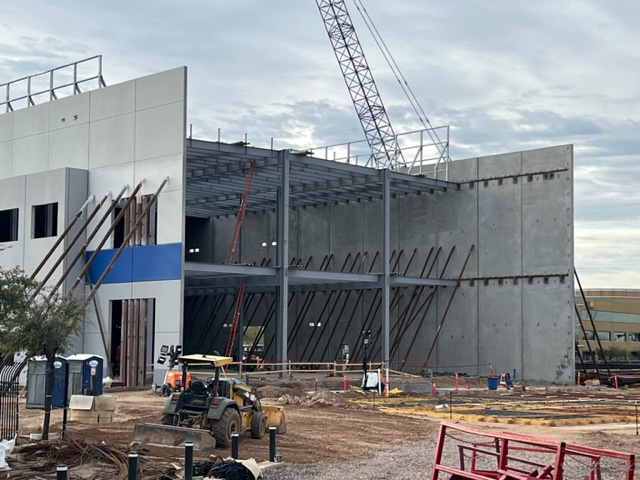
A construction defect claim rarely arrives as a simple lawsuit. It usually starts with a letter from an owner or property manager about water intrusion, cracking, failed sealants, or HVAC problems. By the time suit is filed, the owner may have sued the general contractor, the general contractor may have brought in its subcontractors, and a manufacturer of building components may be in the case too.
How a defendant handles the first few months often shapes the rest of the case. This guide covers the issues that contractors, subcontractors, manufacturers, and their insurers should address early.
Start With the Deadlines
Limitations and repose
Defect claims are subject to ordinary limitations periods: generally two years for negligence claims and four years for breach of contract. Disputes over when the claim accrued are common. Texas also has statutes of repose, which set an outer limit regardless of when the defect was discovered:
- Contractors and others who construct or repair improvements: Under Section 16.009 of the Texas Civil Practice and Remedies Code, suit generally must be brought within 10 years after substantial completion. Shorter periods apply in some situations, including claims by governmental entities and certain residential work backed by a qualifying written warranty. A written claim presented within the period can extend it.
- Architects, engineers, and other design professionals: Section 16.008 provides a separate 10-year repose period.
- Product manufacturers and sellers: Products liability claims are subject to the 15-year repose period in Section 16.012, with limited exceptions.
Pin down the substantial completion date early. It is often in dispute, and it can decide the case.
Pre-suit requirements
Residential claims may be governed by the Residential Construction Liability Act, Chapter 27 of the Texas Property Code. The Act requires written notice before suit and gives the contractor a right to inspect and to make a written settlement offer within short statutory windows. Claims against licensed architects, engineers, landscape architects, and land surveyors arising from professional services generally require the plaintiff to file a certificate of merit from a qualified third-party professional (Section 150.002). Failure to comply can lead to dismissal.
Map the Contract Chain and the Insurance
Indemnity
Most commercial projects involve a chain of contracts: owner to general contractor, general contractor to subcontractors, and subcontractors to suppliers. Each may contain indemnity provisions. For construction contracts entered into on or after January 1, 2012, Chapter 151 of the Texas Insurance Code makes a provision void to the extent it requires one party to indemnify or defend another against claims caused by the indemnitee's own negligence or fault. There is an exception for claims for bodily injury or death of the indemnitor's own employees or those of its subcontractors, and certain project types are excluded.
Indemnity language also has to satisfy Texas's long-standing express negligence and fair notice requirements. A clause meant to shift responsibility for a party's own negligence must say so expressly and be conspicuous.
Additional insured coverage
Section 151.104 applies the same limits to additional insured requirements. A contract provision requiring additional insured coverage, or a policy endorsement providing it, is unenforceable to the extent it would cover what Chapter 151 prohibits for indemnity. Consolidated insurance programs (OCIPs and CCIPs) have specific rules.
Tenders and notice
Every defendant should promptly give written notice to its own CGL carriers, including excess carriers and carriers for prior policy years where the damage may have occurred over time. Contractors should also tender to the carriers of subcontractors that named them as additional insureds. Under the Texas "eight-corners" rule, an insurer's duty to defend is generally decided by comparing the pleadings to the policy. In Monroe Guaranty Insurance Co. v. BITCO General Insurance Corp. (2022), the Texas Supreme Court recognized a narrow exception allowing certain extrinsic evidence. How the plaintiff's petition is worded can therefore affect coverage, and coverage counsel and defense counsel should coordinate.
Build the Technical Defense
Defect cases are decided on technical evidence. Early steps include:
- Retaining qualified engineers or building-envelope consultants through counsel, so their work is protected to the extent the rules allow
- Collecting plans, specifications, submittals, RFIs, change orders, daily logs, inspection reports, and warranty records
- Documenting existing conditions before repairs begin, and insisting on notice and an agreed protocol before any destructive testing
- Preserving exemplar materials and installed components
- Identifying alternative causes, such as owner maintenance, later alterations, design choices, or other trades' work
Chapter 33 of the Civil Practice and Remedies Code allows a defendant to designate responsible third parties so the jury can assign fault to everyone who contributed to the harm. The motion must be filed on time, generally no later than 60 days before trial, so it should be planned early.
A Note for Building-Product Manufacturers
Manufacturers face product-defect theories (design, manufacturing, and marketing) alongside the contract and negligence claims aimed at the builders. Installation quality is often the central question: whether the product was installed according to the manufacturer's instructions and the project specifications. Texas law also gives an innocent seller certain indemnity rights against the manufacturer under Section 82.002, which can affect how the defense is organized among co-defendants.
Our attorneys have defended a manufacturer of a window wall system in a construction case in which a hotel owner alleged air and water intrusion due to design and manufacturing defects. That case resulted in a defense verdict. Past results do not guarantee or predict a similar result in any future matter.
How TMF & Associates Helps
TMF & Associates represents construction companies, general contractors, subcontractors, developers, property owners, and manufacturers of building components in defect claims, contract disputes, delay claims, and lien matters. We work with insurers and their insureds to evaluate exposure early, coordinate tenders, and prepare each case for trial while keeping the cost of the defense in proportion to what is at stake.
Frequently Asked Questions
We received a defect letter but haven't been sued. What should we do?
Notify your insurers in writing, preserve your project file, avoid informal admissions about cause, and have counsel review whether any pre-suit statute applies and what deadlines it sets.
Can a subcontractor be required to defend the general contractor?
It depends on the contract language, Chapter 151, the express negligence and fair notice requirements, and any additional insured coverage. Each contract and policy has to be reviewed on its own terms.
Does the statute of repose bar every older claim?
Not always. There are exceptions, such as claims on longer written warranties and claims involving willful misconduct or fraudulent concealment.
Talk With a Construction Defense Lawyer
If your company or insured is facing a construction defect claim anywhere in Texas, call TMF & Associates at (281) 296-6500 or reach us through our contact page.
This article is for general information only and is not legal advice. Reading it or contacting our firm does not create an attorney-client relationship. Every matter depends on its own facts, and the law may change after publication. Consult a lawyer about your specific situation. Past results do not guarantee or predict a similar result in any future matter.